Hydrogen Therapy
How Is Hydrogen Used In Our Sessions?
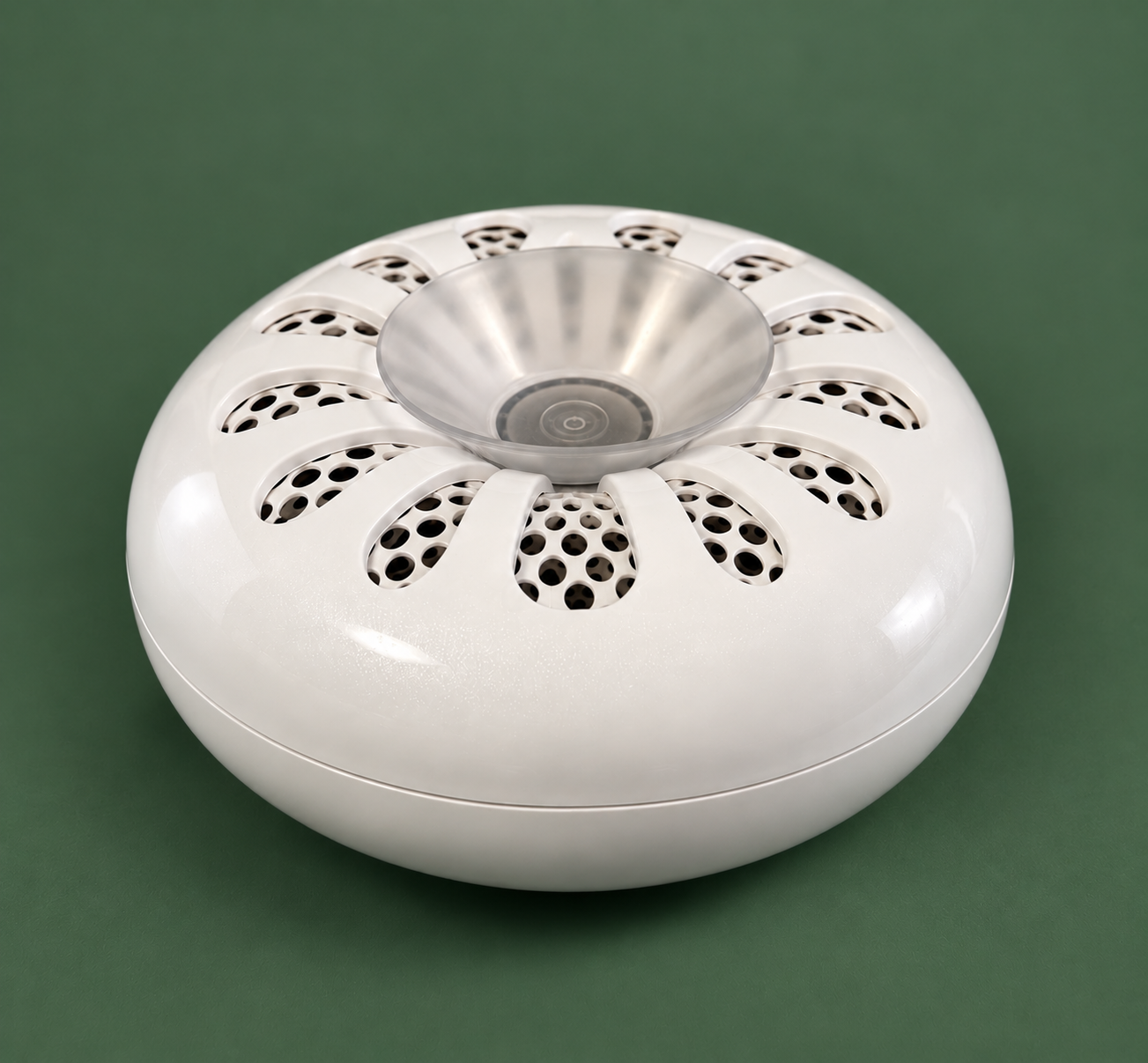
During a session at Wild Wellness Therapy, we are encouraging your cells to work harder than normal so therefore they may produce extra cellular waste. Imagine a car, when it works there has to be exhaust as a by-product. Hydrogen can help clean up that cellular waste and debris. We use hydrogen in the form of drinking water with every client for this reason. Some clients may benefit from using our hydrogen generator as well to create soaks for applicable areas of the body such as face soaks, elbows, hands, feet, head, and also in support of dental conditions.
What Is Hydrogen Water?
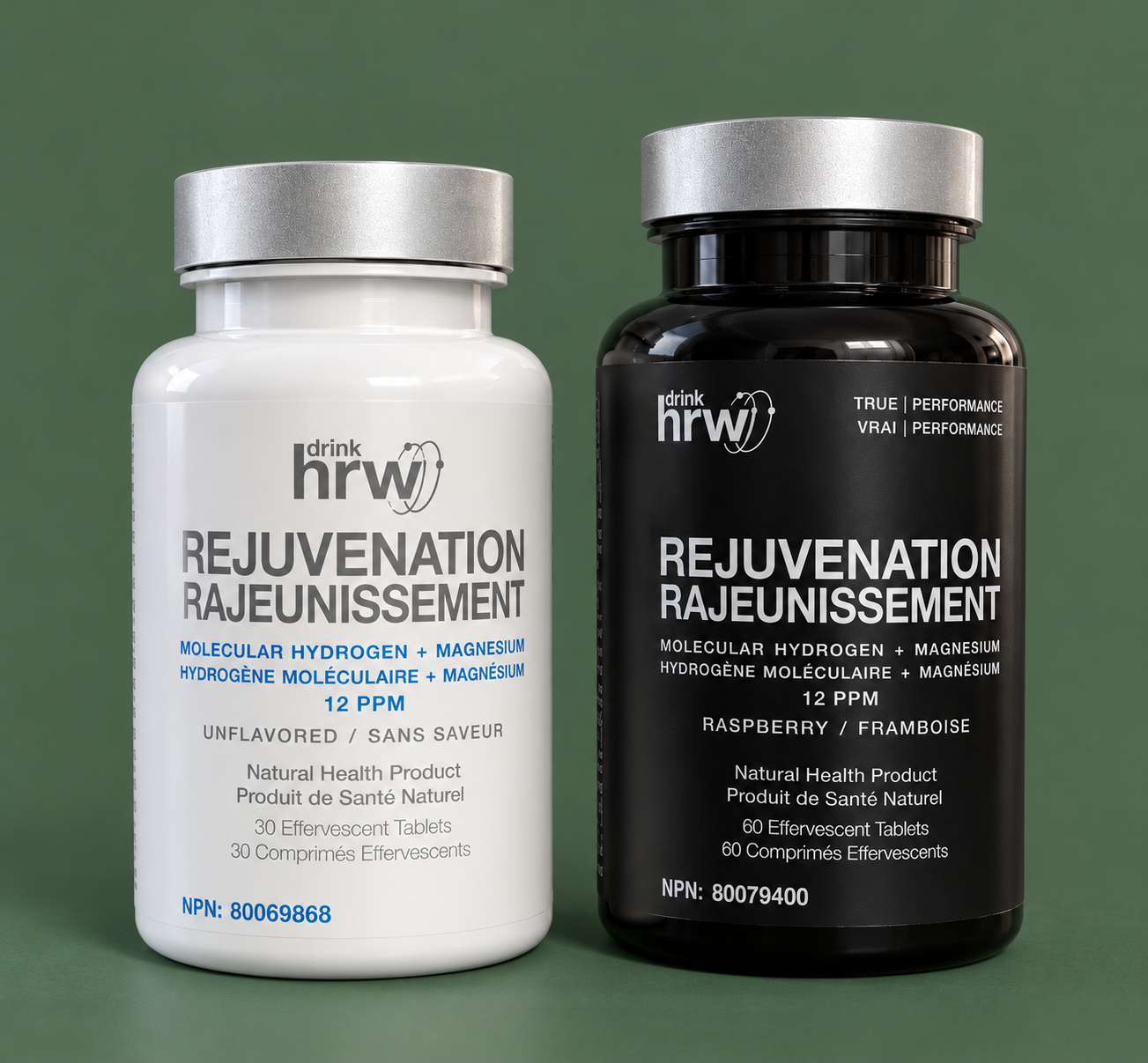
Hydrogen is the most abundant and available element in the body. Hydrogen drinking water is water infused with dissolved molecular hydrogen gas. Molecular hydrogen is colorless, odourless, and very small, which means it can move easily through the body. Research is exploring hydrogen-rich water as a wellness support because it may help reduce oxidative stress, calm inflammatory signaling, and support cellular balance. It can be taken in the form of drinking water, bath water or inhalation.
Why Is Molecular Hydrogen Called a “Selective Antioxidant”?
Not all free radicals are harmful. Some reactive oxygen species are important for immune defense, exercise adaptation, and normal cell signaling. Molecular hydrogen is often described as a selective antioxidant because it is believed to target the most damaging oxidants, such as hydroxyl radicals, while leaving helpful signaling molecules largely undisturbed. This selective action is one reason hydrogen therapy is being studied for wellness, recovery, and inflammation-related concerns.
What Hydrogen May Help Support
Hydrogen bathing and drinking hydrogen-rich water are not cures or replacements for medical care, but they may be helpful as supportive wellness tools. Current research is strongest in areas connected to oxidative stress, inflammation, fatigue, and recovery. Examples of conditions and wellness goals being studied include:
· Exercise recovery: muscle soreness, fatigue, endurance, performance, and post-workout inflammation.
· Joint and muscle discomfort: stiffness, inflammation-related aches, mobility support, and recovery from physical strain.
· General inflammation support: chronic low-grade inflammation, inflammatory stress, and recovery from everyday wear and tear.
· Energy and fatigue: low energy, post-exertion fatigue, and mitochondrial wellness support.
· Metabolic wellness: blood sugar balance, cholesterol markers, metabolic syndrome support, and healthy weight-management routines.
· Cardiovascular wellness: oxidative stress related to circulation, blood vessel function, and heart-health support.
· Brain and nervous system support: mental clarity, cognitive fatigue, stress resilience, and oxidative stress affecting the nervous system.
· Skin wellness: dryness, irritation, redness, aging-related oxidative stress, and overall skin comfort.
· Immune balance: immune-system stress, post-illness recovery support, inflammatory immune responses, fungal problems.
· Respiratory wellness: oxidative stress and inflammation connected to breathing and recovery support.
· Digestive and gut health support: gut inflammation, microbiome balance, and digestive comfort.
· Healthy aging: cellular protection, oxidative stress reduction, vitality, and long-term wellness maintenance.